Thursday, September 29, 2016

The ancient heritages of Khajeh Mount.


Khajeh Mount is a basalt lava formed like a trapezoid, which is about 609 meters high above the sea level, located in the middle of Hamoun Lake near Zabol city of Sistan va Baluchistan province in the south east of Iran. Sistan (known as the land of sunrise) has been a thriving region in Iran during Ashkanid (247 BC-224 AD) and Sasanid era (224-651 AD) and many monuments like fire temples and castles with glorious corridors and porches were built on this mountain which used to be an island in the middle of Hamoun Lake when it was full of water. Hamoun Lake has been a holy water for Zoroaster people and they believed that the Saoshyant (the promised savior) will rebirth out of this lake.

Khajeh Mount and the historical monuments.

Wednesday, September 28, 2016

Golden springs of Badab- e Surt!

Badab- e Surt (Badab Soort) is a magnificent natural heritage site in the north of Iran, in Mazandaran province, including a range of stepped travertine springs. Badab means carbonated water (Bad= gas/ Ab= water) and Surt refers to an old village in the area named Orost, which has been destroyed many years ago. 

Tuesday, September 27, 2016

"Rivas eco-lodge" in Meymand, Kerman.

“Rivas eco-lodge” is located near Shahr e Babak in the east of Kerman province, on the way to main touristic cities of Iran, like Kerman, Yazd and Shiraz. Rivas eco-lodge is a simple rural house in a garden and the tourists will be greeted with a simple and traditional atmosphere. The rooms are furnished with objects like traditional mattresses and old ovens, offering you pleasant smoky heat and in the morning you will be served a great breakfast including fresh dairy and home baked bread.

"Rivas eco-lodge"

Monday, September 26, 2016

Hormoz is land of colors!

Hormoz is a small island in the Persian Gulf (south of Iran) with an area of 42 kilometers squares, which has been an important military spot during Safavid era and Portuguese soldiers occupied this island and built a castle in it which is still available. Shah Abbas, the Safavid king, rescued Hormoz Island in 1621. The dwellers live in a village at the center of the island.

Hormoz is madly colorful! The mountains are made up of soil in different color layers and the women wear nice colorful cloths and they cover their faces with a burqa. The mountains, the weird shaped hills and the unlimited landscape of the Persian Gulf have made this island a great destination, especially among young artists. They usually make backpacking trips to Hormoz Island and experience a simple lifestyle for some days. This is the place for long walks on the seashore, swimming, drawing and painting, collecting weird stones, enjoying photography and doing yoga while all you hear is the sound of waves.

Women of Hormoz Island, wearing colorful clothes.

Sunday, September 25, 2016

27 September is World Tourism Day!

World Tourism Day (WTD) has been celebrated by United Nations World Tourism Organization (UNWTO) every year on September 27th since 1980 to foster international awareness about the importance of tourism and its positive impact on culture, politic and economy. This date was chosen to coincide with the anniversary of the adoption of UNWTO statutes on 1970.

World tourism day theme for 2016 is: “Tourism for All – promoting universal accessibility”, which means providing accessible tourism for all of the people including disabled people even temporary, families with small children and old population.

UNWTO forecasts a 3.5 % to 4.5% growth in international tourist arrival in 2016 and predicts that tourist arrivals will reach 1.8 billion by 2030!

Tourists in Iran.

Saturday, September 24, 2016

"Shafi Abad", a desert eco-camp in Lut.


“Shafi Abad eco-camp” is located near Shafi Abad village and Shahdad town in Lut desert, in the east of Kerman province. Lut desert is inscribed as a natural world heritage site by UNESCO and a spot in the Lut desert (Named Gandom Beryan) is known as the hottest spot on the earth!

"Shafi Abad" eco-camp.

Thursday, September 22, 2016

The land of heights and Kurdish myths!

Oraman Takht or Huraman Takht is a village in Oraman region in the west of Iran, between Kurdistan and Kermanshah. Oraman Takht is located in a beautiful slope valley with a unique architecture. The yard of one building is the roof of the building below and some call these houses “stairways to heaven!”

Ancient objects from the Paleolithic era like some stone made tools and remains of an oven show that this area has been home to first men since 12000 to 40000 years ago. But the madly beautiful nature and the nice weather is more 
motivating for visiting Oraman Takht.


Kurdish people of "Oraman Takht" playing Daf in "Pir Shalyar" ceremony.

Wednesday, September 21, 2016

Pieces of paradise on the ground!

Climate and the geography of a specific area impacts on the people’s character, traditions and even their fears and wishes! Totally, Iran is a dry land and worrying about drought has accompanied Iranians during millenniums. They have stimulated paradise to a vast garden full of trees and two intersected rivers and they weaved this green garden on their carpets to bring paradise to their houses.

Almost all of old Persian gardens are built based on the same structure, named “Chahar Baghi” style (four gardens), which means that the garden is usually divided into four main sectors by two main water ditches and a pavilion is at the center. Long standing cypresses, beautiful plane trees, cobblestone paths and little blue pools are some elements usually seen in a Persian garden. This is how paradise is pictured in holy books like Quran, Torah and ancient Zoroastrian texts.

Many Persian gardens have been constructed in cities of Iran, especially the cities with a dry climate and the people could enjoy the cool water and the tree shade during hot summer days. These gardens were usually houses of the Persian kings and governors. Nine of Persian gardens have been inscribed as a world chain heritage site by UNESCO:

The oldest remains of a Persian garden is the leftovers of intersected ditches of Cyrus the great’s garden (550 B.C.) in Pasargadae (in Fars province), which shows the antiquity of “Chahar baghi” style.

The remains of a water ditch in "Pasargadae Garden".
  "Fin Garden" in Kashan have been built on remains of ancient Sialk civilization, in 1852 B.C and it is constructed based on “Chahar bagh” style with main ditches dividing the garden into four sectors and a two story beautiful pavilion is in the middle of the garden.


"Fin Garden" in Kashan.
"Dowlat Abad Garden" of Yazd (built in 1747 B.C), is another Persian garden which is famous for its beautiful pavilion with a tall wind-catcher on top. The building is located on the corner and a long water ditch, surrounded by trees, passes all along the garden.

"Dowlat Abad Garden" and its famous wind-catcher in Yazd.
"Shazdeh Garden" of Kerman (built in 1880 B.C) is located in the middle of barrens and looks like a green oasis in the heart of the desert. The water is supplied by Qantas and a long ditch flows all along the garden. This stair garden is known for showing a beautiful connection between Persian architecture and water.

"Shazdeh Garden" looks fabulous in the evening.
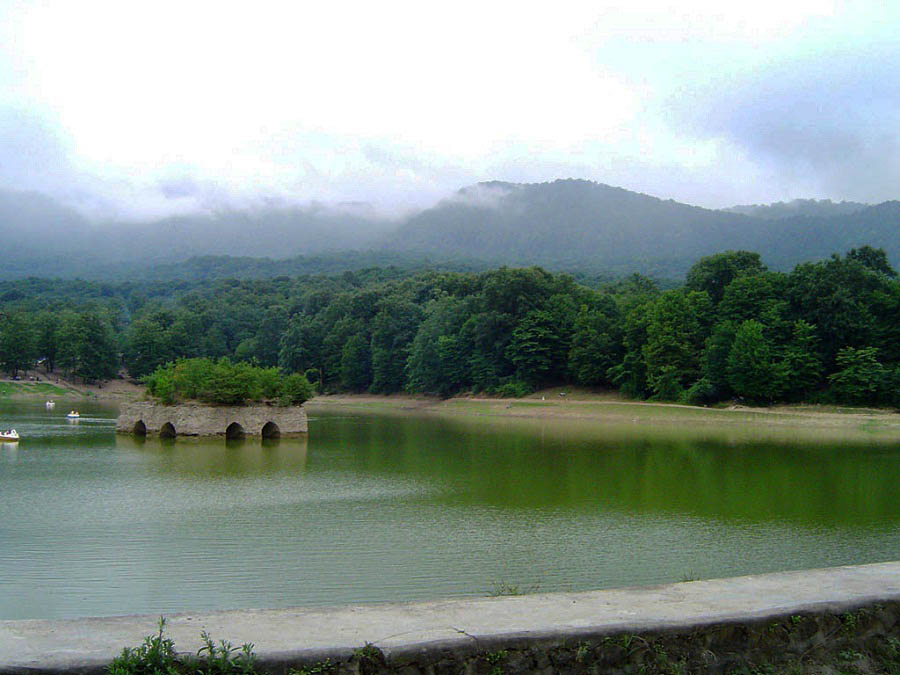
"Abbas Abad Garden" in Behshahr (north of Iran) has been constructed during Safavid era (1611 B.C) ordered by Shah Abbas and it includes a vast lake surrounded by many old trees and a brick pavilion in the middle.
"Abbas Abad Garden" in the north of Iran.
"Eram Garden" is constructed during 19th century in Shiraz, known as the city of gardens. "Eram Garden" is a fabulous place for its Orange trees and tall cypresses, especially during spring when the Orange blossoms change the whole city into a perfume factory! The two-story pavilion in "Eram Garden" shows the combination of Persian and European architecture style.
The beautiful "Eram Garden" in spring.
"Chehel Sutun Garden" (40 columns) has been built in Isfahan during Safavid era. The stunning pavilion in the garden has 20 columns and the big pool in front of the pavilion shows the reflected image of this beautiful building and its columns. That is why they call this Garden Chehel sutun (40 columns). The big pool is surrounded by old plane trees.

"Chehel sutun Garden" in Isfahan.
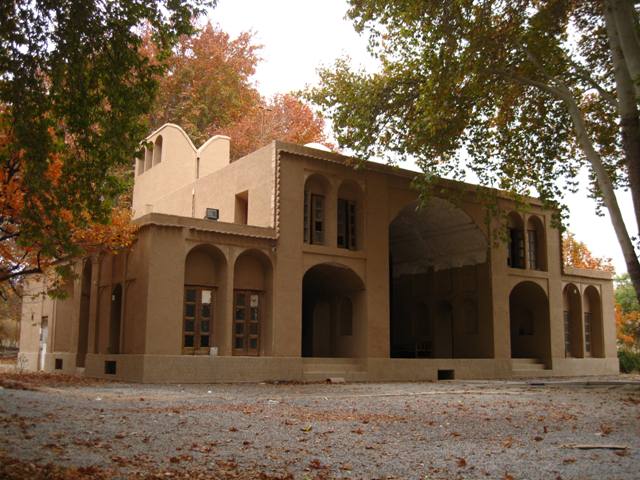
"Pahlavan Pour Garden" is built in Mehriz of Yazd province, by a businessman named Ali pahlavan Pour, during Qajarid era. A beautiful adobe pavilion is built on the main axis of the garden and the trees are watered by a long main ditch and canals, originating from three different Qantas.


The adobe pavilion in "Pahlavan pour Garden".
"Akbariyeh Garden" is constructed in Birjand city, in eastern Iran, during Qajarid era. The main pavilion is ornamented by great Persian brickworks and the long-standing trees give an ancient face to the whole garden.
"Akbariye Garden" in Birjand.


There are many more fabulous gardens in Iran that were not mentioned in this article. Walking in a Persian garden gives you information about Iranian architecture and the pleasant image of being in paradise for a while! Uppersia tours, like Iran photography tour usually include visiting the Persian gardens in each city.

Monday, September 19, 2016

"Gileboom eco-lodge"

  “Gileboom” is an eco-lodge in Ghasem Abad village of Gilan province, in the north of Iran and it is located between the Caspian Sea and “Samamoos” peak, covered in Hyrcanian forest. This beautiful eco-lodge is a two story house with different rooms for group tourists and individual tourists. The rooms are decorated with wicker and felt carpets and traditional mattresses are available for sleeping. The vast garden in front of this house has many orange, fig and pear trees and a seasonal ditch passes through the garden.

  “Gileboom” has been founded to provide and revive old costumes and rich culture of northern Iran. Visitors have the chance to get familiar with different handicrafts done in this village, like pottery and felting.  They can also take part in fruit picking in the garden and experience fishing in the Caspian Sea. There are more adventurous activities available. For example, climbing “Samamoos” peak and “Gisharkouh” peak, walking through different forests or riding a safari car to “Javaher-dasht” bungalow village.

  The most pleasant thing about staying in “Glieboom” is the cuisine! Different traditional cuisines and appetizers of Gilan are served here. Sour chicken stew, stuffed barbecued eggplant, roasted cheese and different kinds of seafood are some of the dishes served in “Gileboom”.

a colorful room in "Gileboom eco-lodge".
The guests gather in the balcony of "Gileboom", in night.

Sunday, September 18, 2016

To walk on clouds!

This is a never-ending land covered with oak, alder, beech and pine trees and an ocean of clouds is flowing just under your feet. Let pure oxygen and pleasant moist run into your lungs after a long hiking, then set up your tent or hang your hammock on trees and listen to woodpeckers digging into the trees. This foggy atmosphere is just  beautiful and surreal!

"Jangal e Abr" or "Clouds forest" during October.